99% Invisible is a really fantastic podcast that focuses on design of all kinds — from the built-in sound effects on your mobile device to urban planning, almost everything gets designed at some point in its development. And those times when it doesn’t — when a lack of intentional design is the story — well, 99PI covers those examples, too.
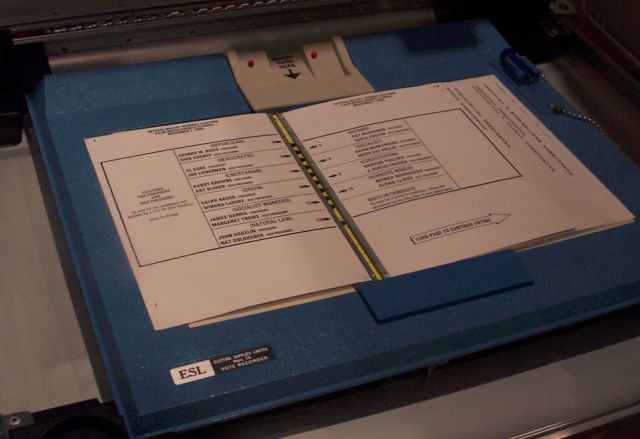
Ballots are an essential component to a working democracy, yet they are rarely created (or even reviewed) by design professionals. (Text from 99% Invisible, photo via Wikimedia)
Last week, 99PI did a great piece on ballots, and this one definitely falls into the latter camp. Because of the history of election management in the US (a history the podcast briefly delves into), what we see when we go to cast our vote varies enormously from county to county across the country…and is almost always developed by someone who doesn’t have the tools to think about good design.
And this can have serious implications! From ballots printed in 6-point type ALL-CAPS typefaces to the infamous “butterfly ballot” that arguably changed the course of the 2000 presidential election, 99% Invisible makes the case that good design is ignored at our peril…in elections as in everything else our society takes on.
Every social media network ever (subject to change without notice). Via Wikimedia.
Facebook, Twitter, Pinterest, Tumblr, YouTube, Instagram, Snapchat, LinkedIn, Google+, Vine…the list goes on, and more are added every day. Social media platforms give organizations and campaigns an unprecedented ability to engage directly with the people you’re trying to reach, provide your audience a chance to connect directly with you, and allow your fans to help spread your message directly to their networks. An effective social media presence is not just a simple matter of logging in once in a blue moon and sharing a couple of posts from other outlets. To make it work, you need to be investing thoughtfully in the following practices:
1. Prioritize
Don’t try to be everywhere at once! Unless you have a bottomless well of staff time and creativity to draw from, you need to prioritize. Better to be on just a couple of networks and doing it well than to be spreading yourself too thin trying to be everywhere at once. And where your you should focus is going to vary quite a bit from organization to organization — if you have access to a source of rich visuals, it’s probably going to be Instagram or Pinterest; if you have a clever staffer who can be given some free reign, they might want to be on Instagram; if you are trying to educate about a complicated topic, perhaps a Reddit AMA might be worth exploring. There are dozens of social media networks appealing to all sorts of audiences, from broad to more niche and specialty. Define your audience and the style of interaction that will suit you best and focus your efforts there.
2. Produce Good Content
Constant information bombardment, access, and overload are an inescapable feature of today’s wired world. To have any chance of breaking through the noise requires content that the audience decides is worth engaging with. It must be thoughtful, emotionally rich, self-referential (i.e., relevant to THEM, the audience, not YOU, the content publisher), funny, timely, interesting, shocking, and/or make people feel like part of a movement.
3. Be Consistent
Social media campaigns are too often treated as an afterthought, something that can be done on a catch-as-catch-can basis. To be effective, however, a social media campaign needs to have strategic vision, a sense of consistency of voice, and a sense of consistency with timing – the audience needs to know what to expect from the campaign, and the more that expectation is of good, timely content, the more interaction with the campaign will result.
4. Interact
The social web is not a one-way street, a simple one-to-many form of communication; it needs to be treated as truly interactive. An effective campaign cannot simply publish a stream of good content and walk away – there needs to be a sense of true interaction with the audience – answering questions, responding with genuine care, having a distinct voice/personality…in other words, there needs to be a really person at work, not merely a ghost in the machine.
5. Engage
A strategy that engages your audience – one that makes them feel like they are doing something – is key to bringing new supporters on board. A good social media campaign should regularly integrate asks of all shapes an sizes – polls, posts, questions, surveys, petitions, events, etc.
6. Be willing to pay
The social landscape – especially with respect to Facebook’s algorithms (e.g., how it is Facebook decides what to display in a user’s feed) – is shifting rapidly, but one thing is clear: Facebook (the largest and most trafficked social network to date) is more and more moving to a “pay to play” policy. Page managers can not expect content – even good content – to make it into users’ news feeds without ongoing investment in Facebook’s ad ecosystem. The good news is, the ads are relatively inexpensive, highly targetable, and generally quite effective. Other social networks – notably Twitter and Instagram – are making ads more affordable and integrated into users’ feeds, as well.
7. Analyze and iterate
Understanding what is – and isn’t – working for any audience is a key to a successfully executed social media campaign. Regular analysis of posts, progress toward goals, and high and low performing actions needs to be undertaken to refine the plan and inform the tactics of the campaign on a regular basis.
Need help lighting a fire under your social media presence? Contact OnSight today to talk about how we can help you develop a social media roadmap for your organization, campaign, and business.
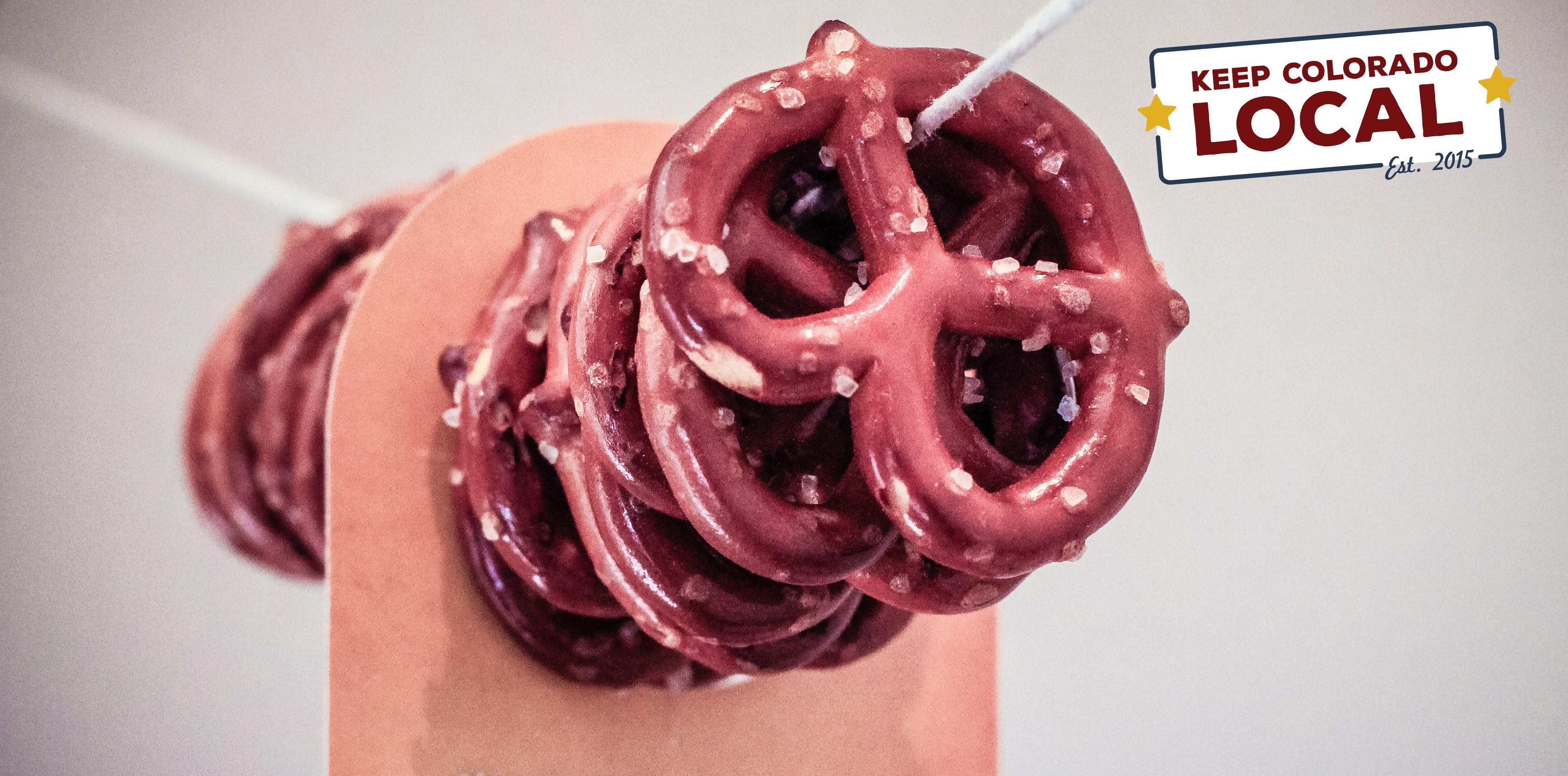
Our intrepid team of Pretzel Ambassadors were canvassing outside GABF to make sure atendees’ snacking needs were met before they headed inside! We offered pretzels and beer coupons for a chance to talk to people who care about craft culture and get them to sign up for our email list or join us on social media.
As we prepped for this year’s Great American Beer Festival, the Keep Colorado Local campaign thought, “What can we do to jump start conversations with people who care about beer?”
Our pockets aren’t nearly as deep as those of the out-of-state chains that are trying to change Colorado’s liquor laws, but we do know a thing or two about GABF (In fact, more than 50 KCL member breweries poured their product at this year’s festival. And a bunch won awards, too!).
So we decided we couldn’t spring for t-shirts, Lederhosen or other schwag, but we could help attendees accessorize. As a way to engage with festival-goers and get them looped in to the campaign, we gave out hundreds of free pretzel necklaces over the three days of GABF.
It was a fun, high-visibility effort that led to hundreds of new email sign ups, a lot of positive interactions with people who care about our issue, and put a lot of smiles on strangers’ faces, to boot.
It’s been a busy few months here at OnSight, and we wanted to take a moment and share some of the videos we’ve had the opportunity to produce with our clients and partners. Take a second and take a look.
We’ve got a few new videos we’re excited to release. The first was created for the Great Outdoors Colorado Great Outdoors Summitin June. The 4:30 video showcases some really stunning Colorado landscapes, and highlights opportunities for Coloradans to protect and experience the value of Colorado’s outdoor resources. (Produced in partnership with Travis Rummel and Ben Knight with Felt Soul Media.)
The second is a 1:30 video released just this week for the Yes on 1A for DIA campaign. The video has a driving, hyperkinetic energy that showcases the economic engine DIA has become. The 1A for DIA campaign will be engaging voters in both Adams County and Denver to support new commercial businesses at DIA, bringing new manufacturing, new retail, and an estimated 12,000 new jobs to the airport. (Produced in partnership with Milkhaus.)
The third video is an infographic for the Keep Colorado Local campaign on social media, helping viewers connect the dots between the craft brews they love, and the liquor laws in Colorado that have made our craft brewing industry so strong and diverse.
The Julesburg marching band set the stage for the opening ceremonies on Friday morning.
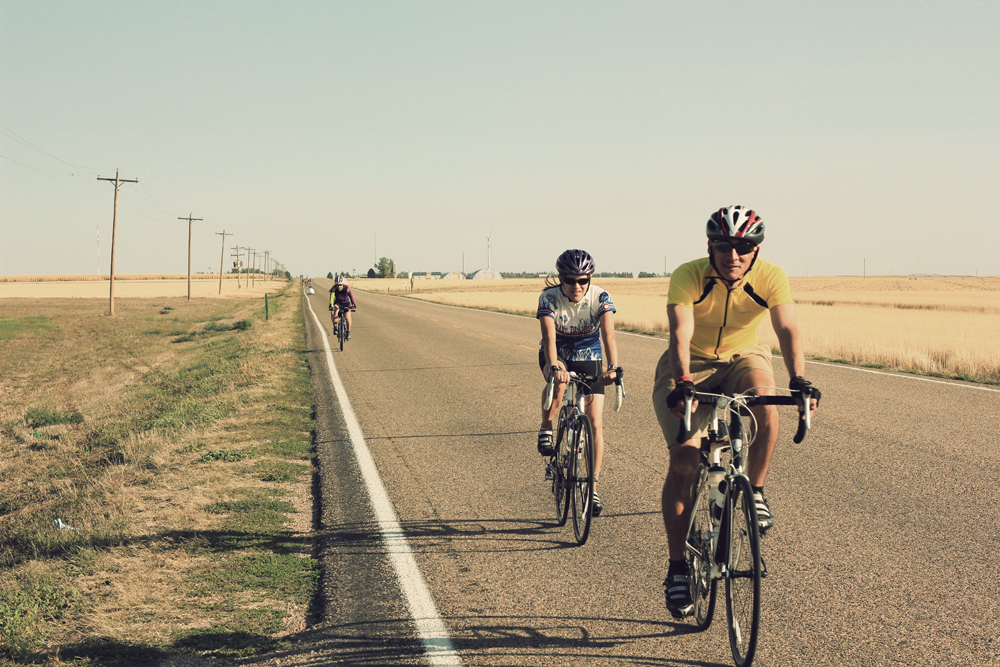
The fourth annual Pedal The Plains bicycle Tour launched from Julesburg, Colorado for a three-day, 155 mile journey through eastern Colorado’s high plains. From September 18th to 20th, participants rode to stops in three host communities: Julesburg, Holyoke and Sterling.
OnSight was on hand for the entire weekend, photographing and posting on six social media channels (Facebook, Twitter, Instagram, SnapChat, Vine, and Flickr) throughout, as well as managing posts from the Plain Pedaler community bloggers.
For the first time in Pedal The Plains history the route took riders over the border into Nebraska.
The ride across Colorado’s Eastern Plains is a celebration of Colorado cycling culture, combining great rides, delicious eats and close friends. Billed as “a ride for the rest of us,” Pedal The Plains is set in the heart of western agriculture, home of the frontier spirit that inspires all of us to keep pedaling. Almost 1,000 cyclists took part in this year’s ride.